
What is a good street really worth?
We tend to assume that a successful neighbourhood is the result of good buildings. Get the architecture right, the thinking goes, and life will follow. Yet anyone who has walked through a brand-new, award-winning district that feels strangely empty knows that this logic often fails. Meanwhile, an ordinary street with a ramen bar, a record shop and a few stubborn local businesses can be more alive than any masterplan.
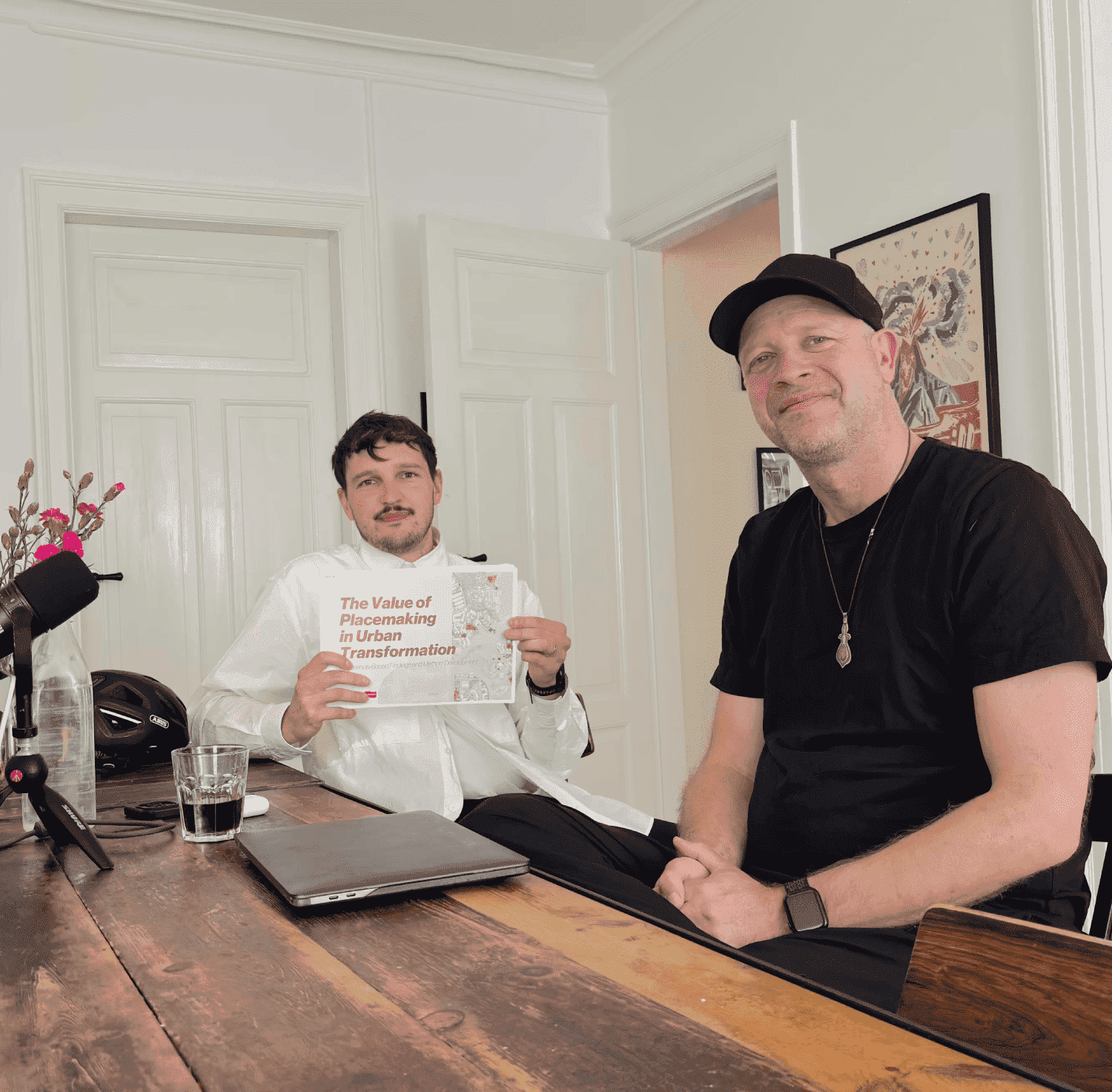
So what actually creates that value - and can we measure it? Can we prove that designing places for people, not just for buildings, is not only better for communities but also better business? To explore this, I spoke with Kristian Riis - CEO of Volcano and Co-Chair of the ULI European Placemaking Council. Kristian's path is unusual: before cities, he was a musician, co-founder of the Danish band Nephew, with ten Danish Grammys and shows for crowds of up to 50,000 people. That background, it turns out, shapes everything about how he thinks about urban life.
From the stage to the street
Kristian's move into urbanism did not begin with architecture. It began with a contrast he kept noticing. On stage, looking out at a festival crowd, he saw thousands of strangers hanging out arm in arm, sharing drinks, feeling part of something. Then he would come home to one of the liveliest streets in Copenhagen and not even say hello to his neighbour.
That gap became a mission. Kristian points to a problem cities rarely name out loud: “loneliness is a pandemic. Almost every third person either lonely or experiencing loneliness.” Having spent his career building festivals, venues and music communities, he started asking how the connection people feel at a concert might be designed into everyday life - not just for the party days, but for the grey, rainy, ordinary ones when bringing people together is hardest.
Humans first, buildings later
The core of Kristian's philosophy is disarmingly simple, and he repeats it like a refrain: “we look at humans first, and then buildings later.” It sounds obvious, yet most development still works the other way around. We run architectural competitions, choose a striking design, and only afterwards wonder why the life we hoped for never arrived.
Kristian is careful to say he is not against architects - he has them on his team. But he insists the order matters. “If we don't design cities for people, it doesn't matter,” he argues. The job, as he sees it, is to first decide what kind of life a place should support, and only then build something that serves it. At Volcano, that means a particular focus on the next generation - young people and future citizens - and on bringing them into the design phase rather than designing on their behalf.
Build the culture before you dig the hole
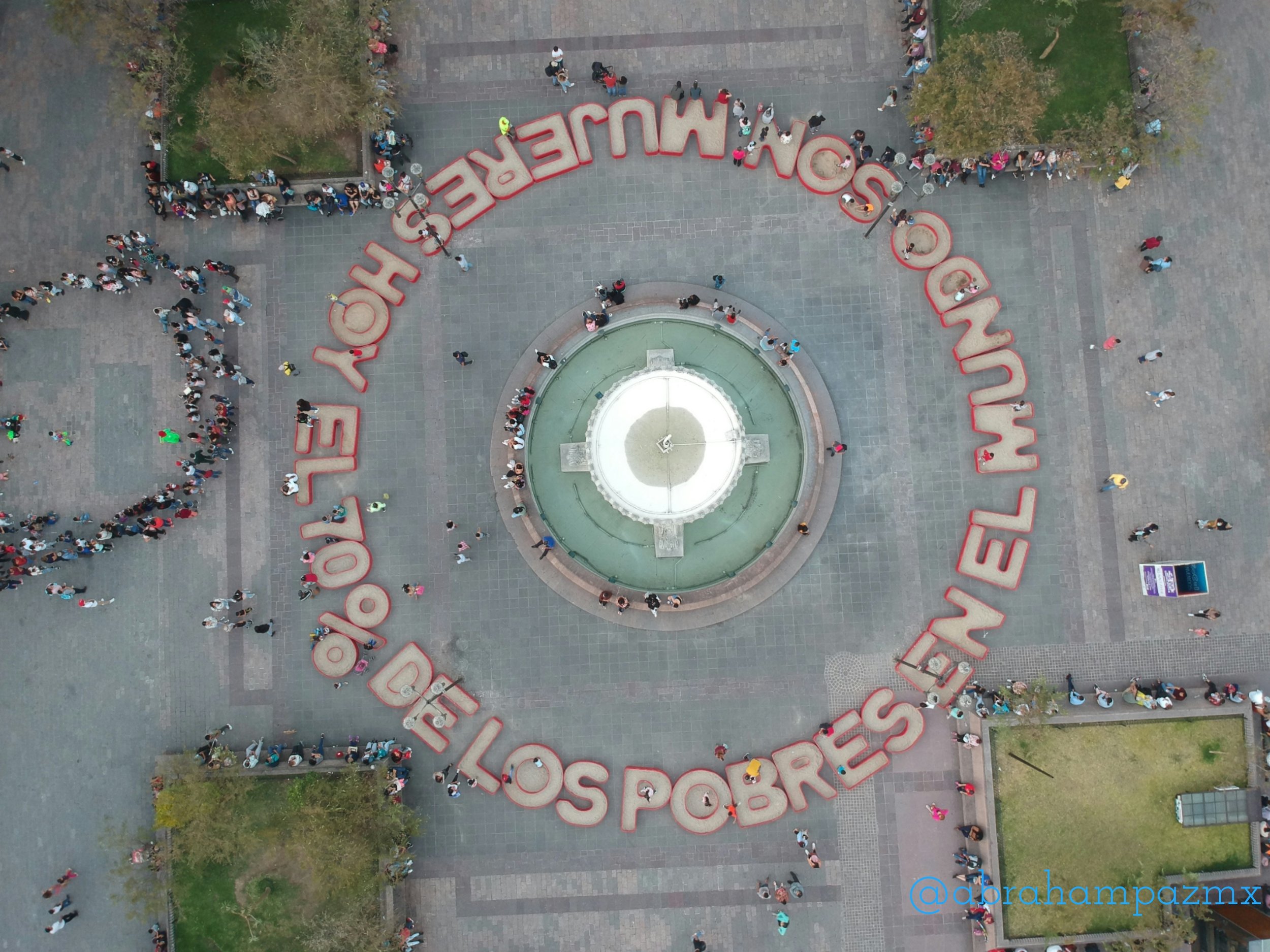
One of the most useful ideas from our conversation is that culture does not simply appear once a place is finished. “Culture is not just happening,” Kristian says. The old assumption that a beautiful design will automatically become a success no longer holds. Culture, like a building, has to be constructed - and that work has to start early.
How early? At the masterplan stage, before anyone digs a hole in the ground. Volcano works with what Kristian calls a cultural masterplan, anchored in the specific identity, history and people of a place. He is honest about the irony of his business: agencies like his are usually called in when things have already gone wrong - for example, the team's win in a Copenhagen competition called Urban Stage, transforming metro stations that were originally designed with little thought for life around them. Fixing a place after the fact is slow and expensive. Building its culture from the start is far cheaper.
Giving people real ownership
If you want a place to thrive, Kristian argues, the people who will use it have to feel it is theirs. He is critical of the standard citizen meeting - the box-ticking consultation that tends to attract whoever has the time and a grievance, rarely the people who will actually live in the area. So Volcano does something different.
Through what they call a "royalties" programme, the agency educates local cultural entrepreneurs and turns them into ambassadors for a project. The result is a personal relationship and far richer input than any formal meeting. In the company's London project, that has meant giving young people a genuine voice in the development around Victoria Station. People who feel ownership invest more, take more care of a place, and look out for one another - which, in turn, makes the area feel safer. And because Volcano trains locals to run things themselves through an alumni approach, the work outlasts the consultants. As Kristian puts it, placemaking never really ends; the team's job is to empower people and then step back.
Gentrification: the other side of success
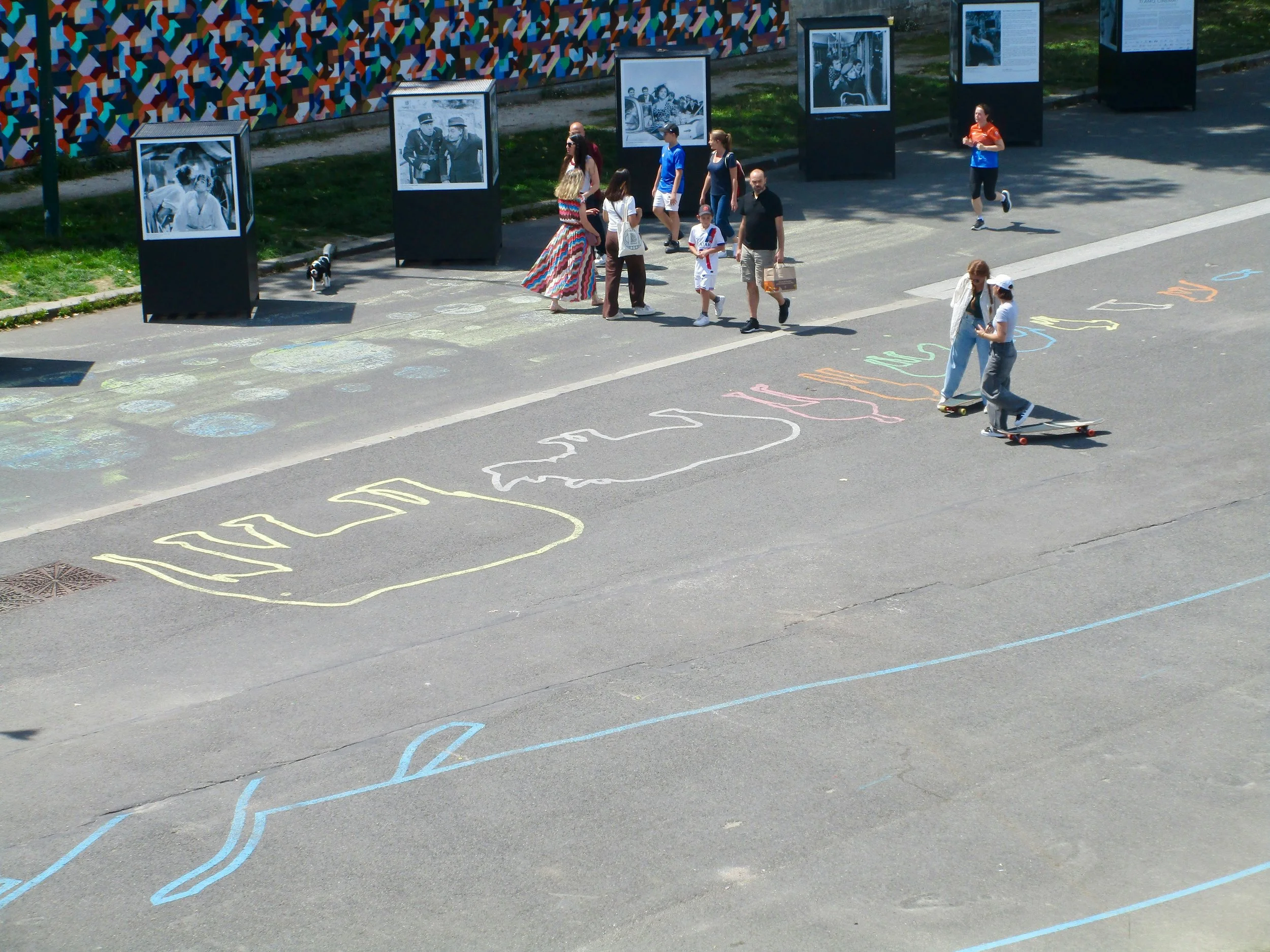
Once we create an attractive place - gentrification can cripple in. Creatives move into a forgotten industrial area, activate it, give it an identity - and then, as the value they created rises, they are the first to be priced out. A temporary phase full of music venues and creative energy can give way to high-density development, and newcomers who thought they were buying into a creative district found their neighbours were mostly accountants and lawyers.
Kristian says that we should not abandon placemaking but rethink the business model behind it. Why not let a law firm pay premium rent for the top floor while a creative tenant takes the ground floor at a reduced rate - on the condition they run events and open the space to the local community? The creatives contribute value in a different currency, and everyone benefits from the destination they create. Kristian is candid that he has not solved the harder cases - he even floats the idea, borrowed from NFTs and DAOs, of giving creators a token that rewards them when the value they helped build is later sold. He does not have the model yet, and openly invites listeners to help him find it.
A diverse city is a better city
Underneath the economics sits a clear conviction. “A good city is a diverse city. No one wants to be among people that only looks like yourself,” Kristian says. He saw the alternative up close while running NordicLA in Los Angeles before COVID - a city where the people doing essential, lower-income jobs increasingly cannot afford to live, and end up commuting three, four, five hours a day. A city that pushes those people out, he warns, eventually loses its value, because no one is inspired or challenged living only among the wealthy.
Done well, placemaking is what makes room for everyone. Get in early, and you can build student housing, apartments of different sizes, and curated commercial tenants - not only luxury flats and Gucci bags, but the local bag maker too. The uniqueness is the point: Kristian's own street in Copenhagen has no Starbucks, but it has the only guitar-pedal shop in Denmark and a ramen place with a permanent queue. Unique destinations, not global brands, are what make a place valuable.
From belief to proof
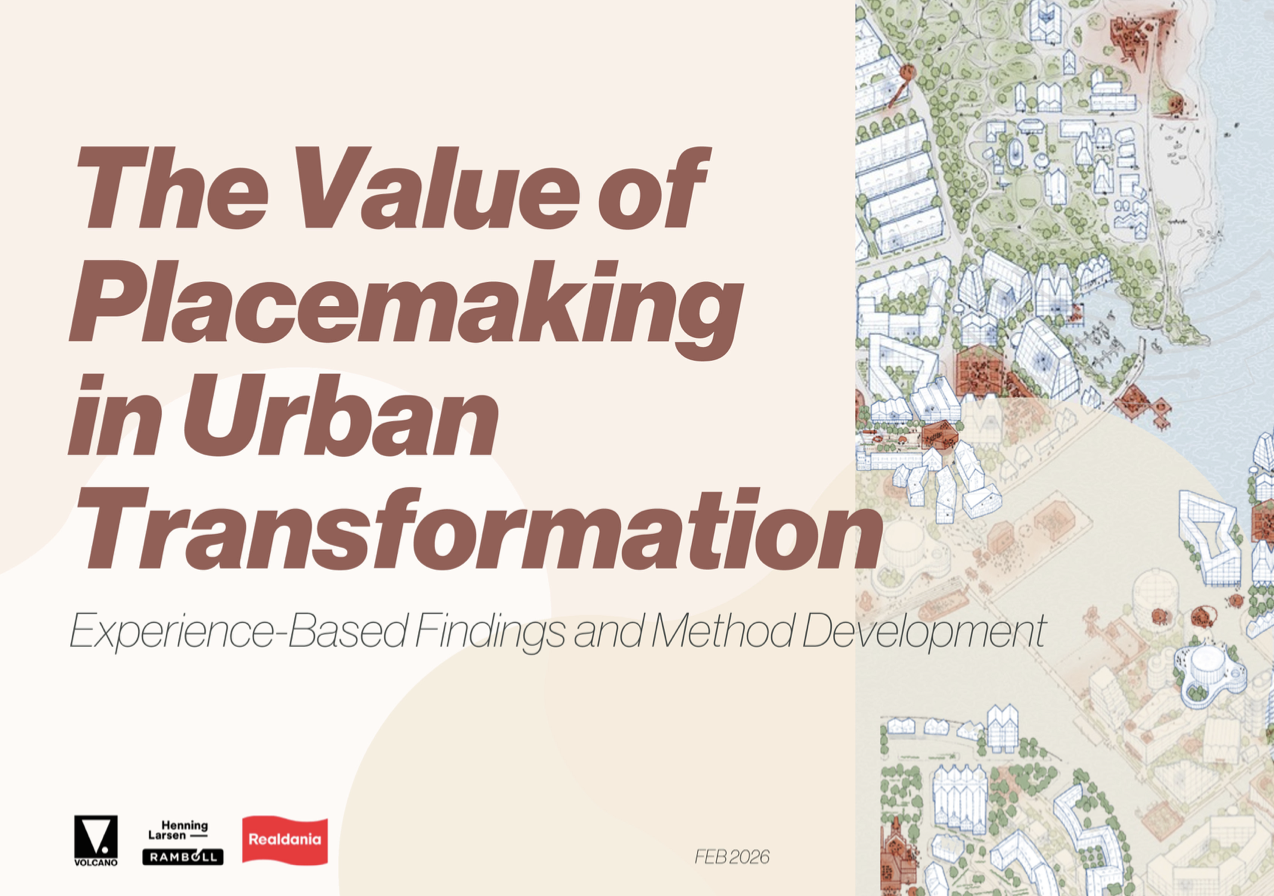
For years, the argument for placemaking rested on faith - trust the creative, and the money will follow. Kristian's new report tries to replace faith with evidence. Comparing Copenhagen districts with different levels of placemaking, it finds a consistent pattern: “the higher level of placemaking, the higher return of investment.” Crucially, the report introduces a "site score" that rates a development across parameters like accessibility and culture, giving municipalities, developers and creatives a shared language to talk about value - and to see, concretely, where a project is falling short.
That reframing is the heart of the message. “This is not an expense, it's an investment,” Kristian insists. And for a musician with no financial training, his most pragmatic line is also his most honest: “money is not a goal, but it's a damn good tool to reach your goal.” To change cities, you have to speak the language of the pension funds and developers who hold the money - not because profit is the point, but because it is the route to more livable places.
To conclude he says that if you design cities just for the sake of cities, it doesn't matter - because without humans, there are no cities. Placemaking, on this view, is not decoration applied at the end. It is the work of making sure the people who give a place its life can afford to stay in it.
Watch the full episode:
