Latest Case StudiesThe City Architects Series
Most people have never heard of a city architect. Yet in some cities this one role, and the team behind it, quietly decides what gets built, what gets refused, and what the street will feel like in twenty years.
I started this series because the job looks completely different depending on where you are. In Melbourne it meant rebuilding a depopulating downtown into one of the world's most liveable cities. In Malmö it means writing an architectural policy for a city that is proud of being a bit unruly. In Groningen it meant bringing a global commercial practice's standards into public service. In Warsaw it means holding together residents, developers and politicians who all want something different from the same square metre.
Four cities, four very different mandates, one shared question: how much can one person inside the public sector actually change?
Why listen: you get the mechanics, not the manifesto. How these architects use policy, data, competitions and plain persuasion to raise the quality of everyday urban space, what powers they really have, and what they can only ask for.
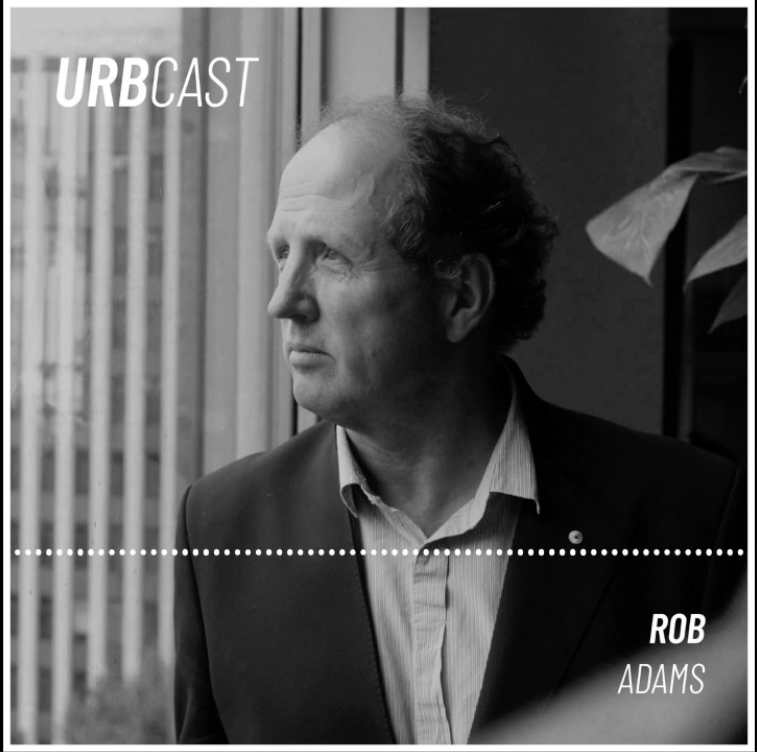
Melbourne | Rob Adams
Melbourne was losing people. Today it is a global reference for urban design. Rob Adams was at the centre of that turnaround, and in this episode he breaks down how it was done: the idea of urban choreography, why measuring what happens on the street is the foundation of every good decision, and what a city architect can achieve over decades rather than election cycles. Also: what changes when you move from private practice to working for the public.
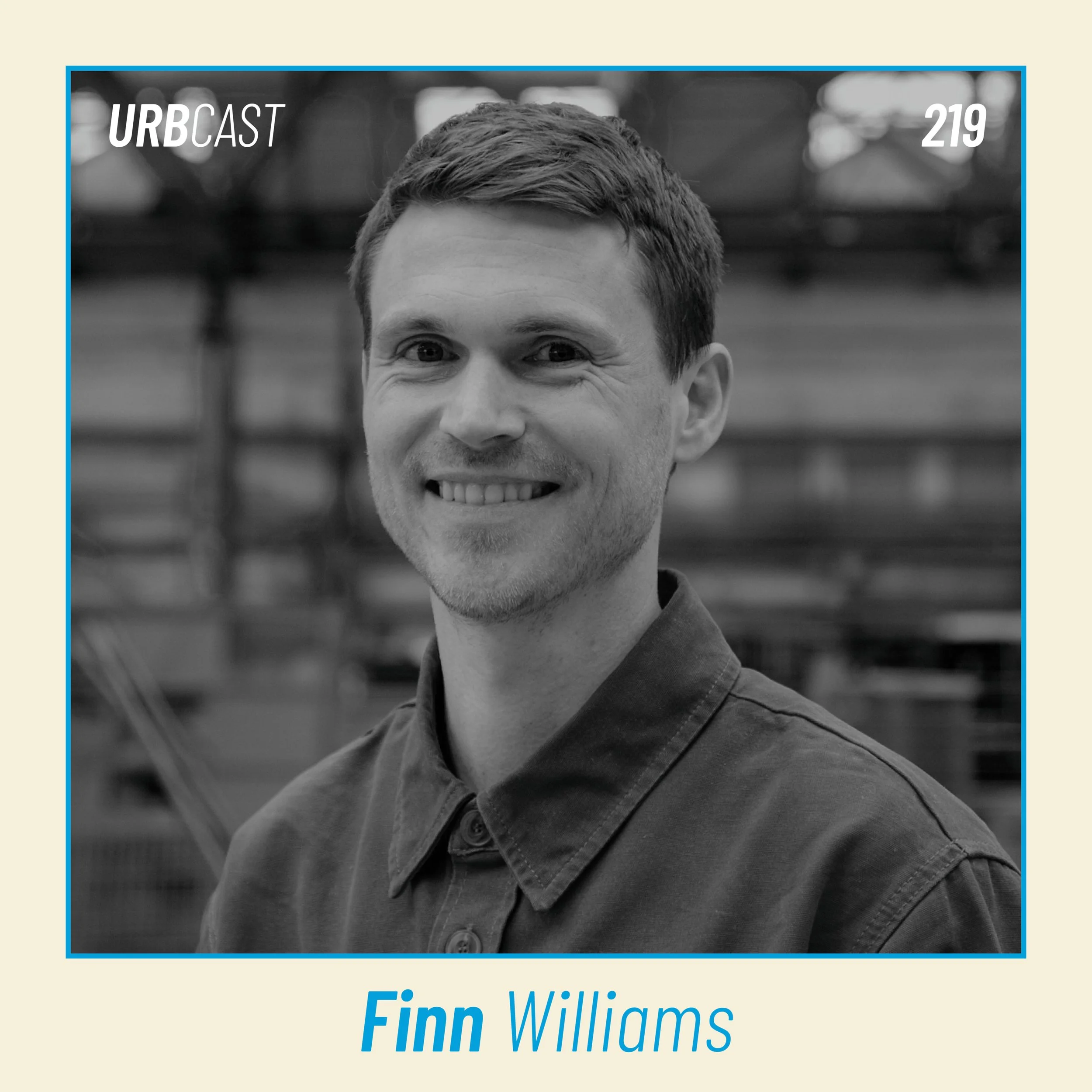
Malmö | Finn Williams
What is an architectural policy actually for, and who does it serve? Finn Williams talks about building the role of city architect in Malmö almost from scratch, about regenerative and inclusive design, and about the political reality of getting any of it approved. We also get into Malmö's identity as a bråkig city, and what it means to grow in the shadow of Copenhagen across the bridge.
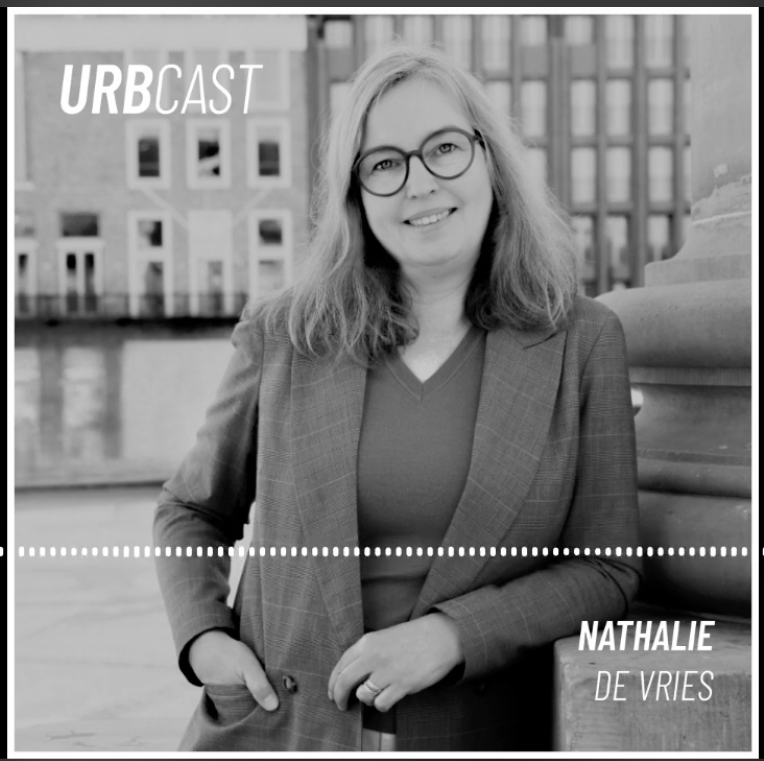
Groningen | Nathalie de Vries
She co-founded MVRDV, then spent a term as city architect of Groningen. Nathalie de Vries looks back on what that experience taught her: how commercial practice prepares you (and how it doesn't) for public work, where the two worlds genuinely differ, and the question that matters most for any city, how do you give a municipality the courage to demand the highest quality from architects instead of settling for what is offered?
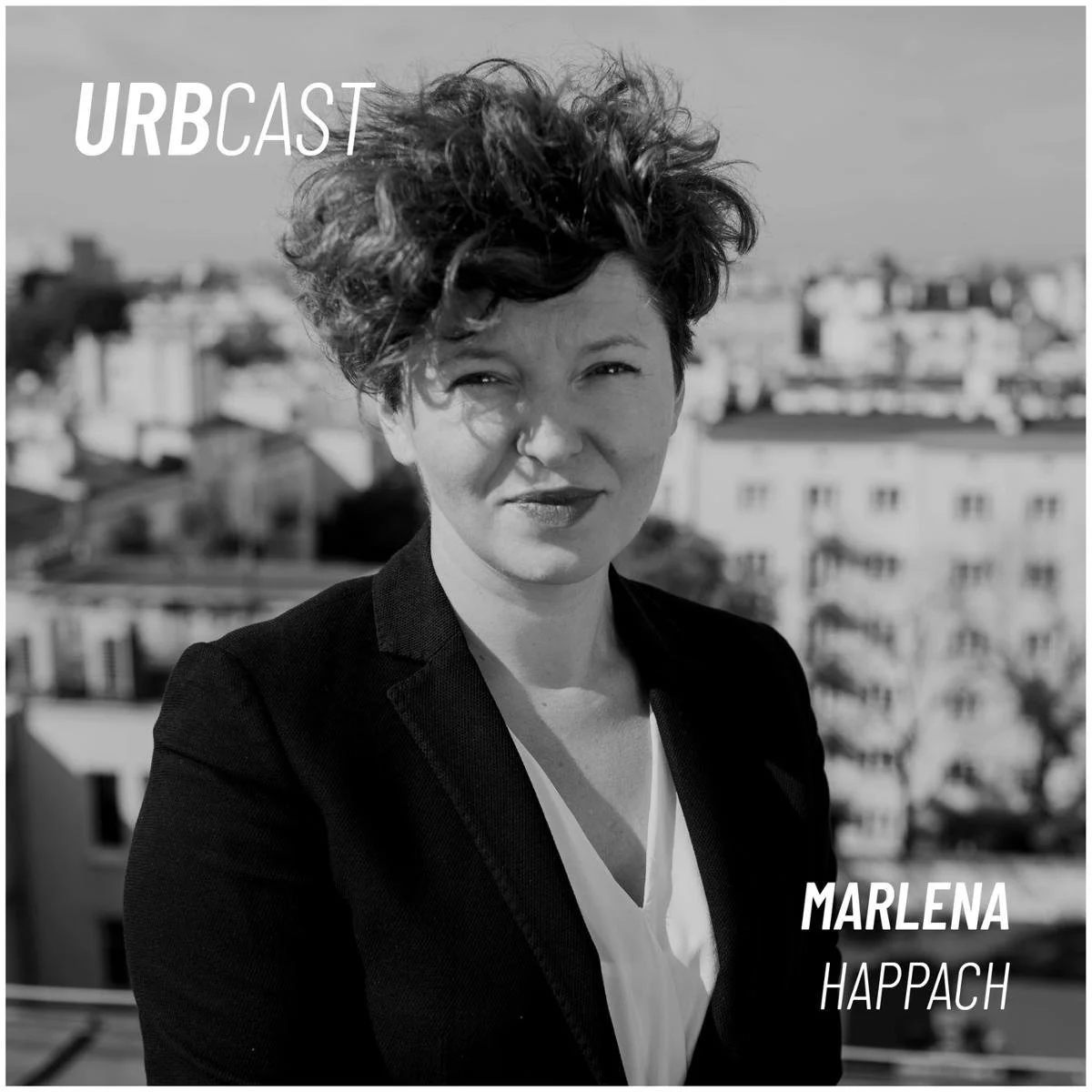
Warsaw | Marlena Happach
A city architect who came from activism. Marlena Happach started out in a residents' association working on participation in local planning, and now runs Warsaw's architecture and spatial planning office. We talk about the real dilemma of her job: the city needs to densify to work well, and some residents will lose greenery, light or a familiar view because of it. Can you reach a compromise? Plus: Plac Pięciu Rogów, narrowing the lanes on Aleje Jerozolimskie, and what Warsaw might look like in 30 years.