
Here you can find the podcast episodes, including several dedicated themed series.
As the podcast is bilingual (Polish-English) the two equal halves are respectively in English and Polish.
Blue & beige colors indicate content in English, whereas green color — Polish.
Special series
In English:
Nocturnal Cities


Real estate and urban development trends series with Urban Land Institute Denmark

Landscape Architecture Series with leading Danish and Dutch landscape architects

In Polish (po polsku):

All episodes

237: Is demolition the biggest mistake in architecture?
I’m joined by Anne-Marie Galmstrup, architect and Obel Award jury member, and Enlai Hooi, Head of Innovation at Schmidt Hammer Lassen and part of House Europe. We discuss the HouseEurope! initiative that was awarded the prestigious OBEL Award this year.

236: Projektowanie inkluzywne: jak stworzyć miasto dla każdego?
W tym odcinku rozmawiam z Katarzyną Cimoch – architektką i ekspertką w projektowaniu inkluzywnym, o tym, czym naprawdę jest dostępność, dlaczego nie wystarczy „odhaczyć” certyfikatów i jak łączyć funkcjonalność z estetyką, aby nasze miasta były przyjazne dla wszystkich.

235: Can nightlife shape the future of our cities?
This week, together with co-host of the Nocturnal Cities series, Andreina Seijas, we talk to Michael Rodrigues, NSW’s first 24-Hour Economy Commissioner. We discuss how Sydney turned its nightlife into a strategic, community-driven, and culturally rich part of urban life.
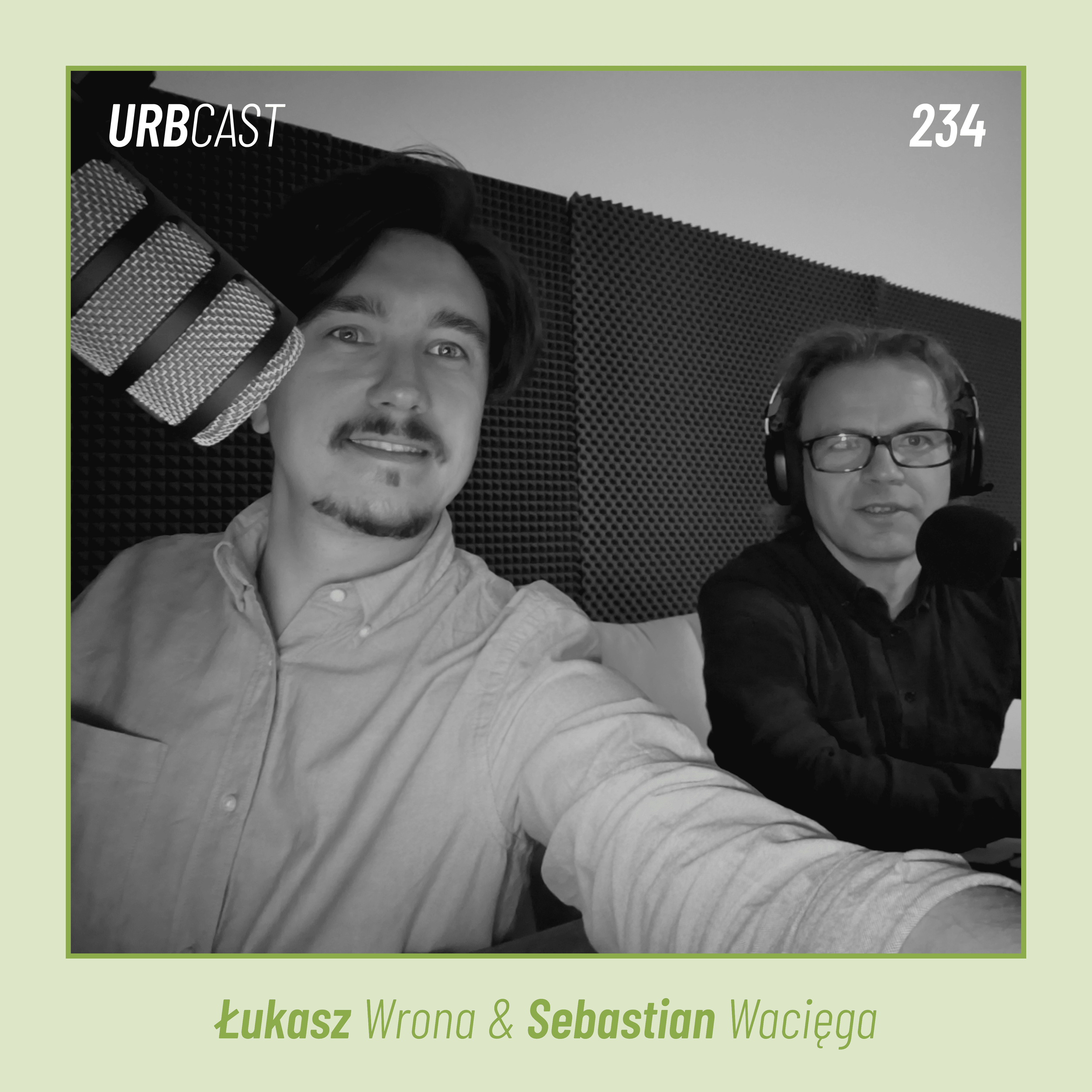
234: Czy można nauczyć się miasta… grając w planszówkę?
Rozmawiam ze stowarzyszeniem Pospolite Ruszenie - twórcami innowacyjnej gry edukacyjnej i projektu Miejskie Rozdanie. Uczy ona młodych ludzi spojrzenia na miasto oczami samorządowców i mieszkańców. To połączenie RPG, warsztatów obywatelskich i narzędzia planistycznego, które inspiruje do rozmowy o wspólnych problemach i przyszłości naszych miast.
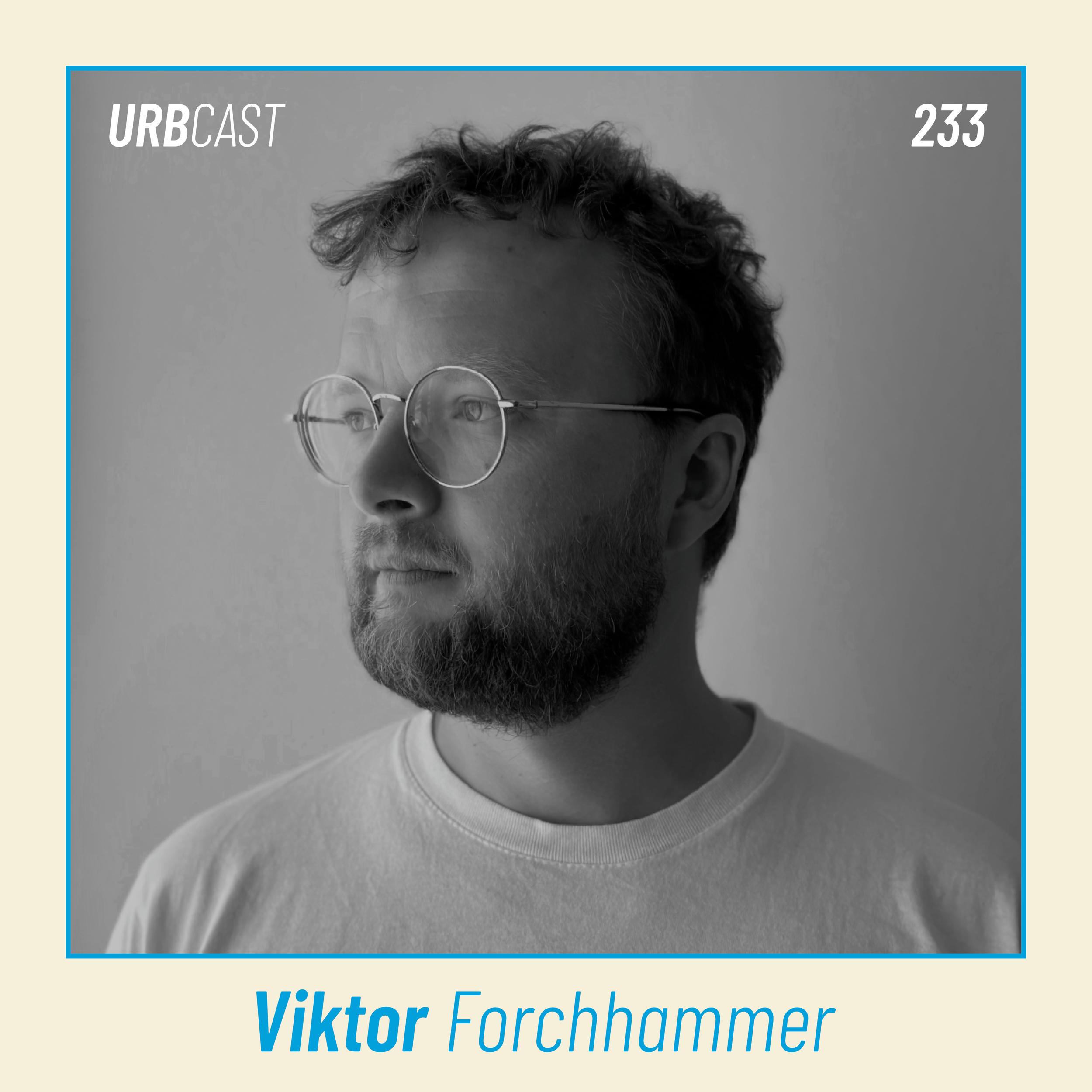
233: How to make Copenhagen green again?
I’m joined by Viktor Forchhammer, from Kragh Berglund who shares a visionary yet realistic take on reimagining Copenhagen’s busiest, most polluted boulevard. We dive into how a noisy traffic corridor could instead become one of the city’s most vibrant green spaces.
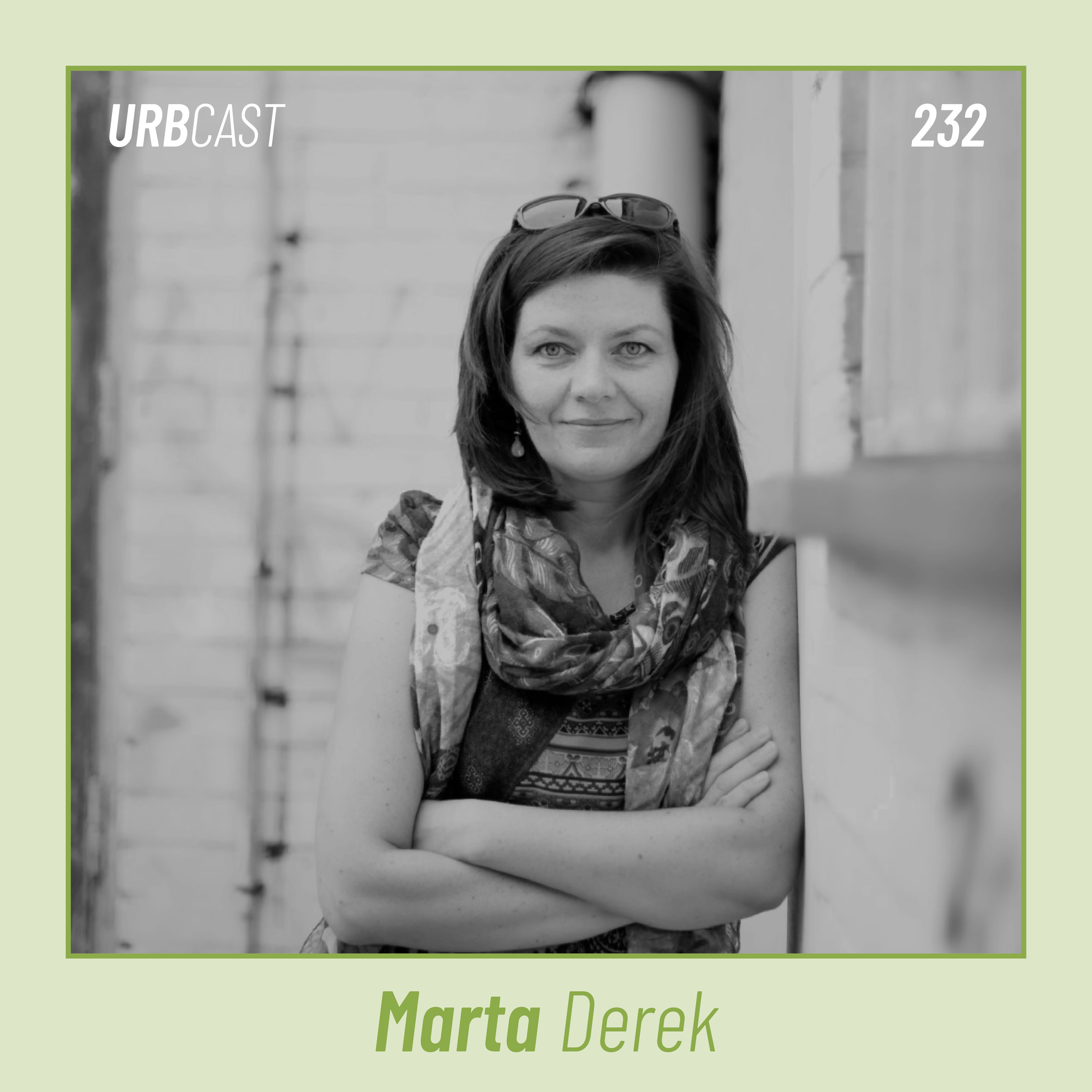
232: Jak rozumieć usługi ekosystemowe w miastach?
Marta Derek (Uniwersytet Warszawski), badaczka związków człowieka z przyrodą i usług ekosystemowych) opowiada o tym, jak możemy lepiej wykorzystywać potencjał przyrody w planowaniu i zarządzaniu miastami.

231: What if architecture was about doing less?
This week I’m joined by Natalie Mossin, Head of Institute at Royal Danish Academy and co-author of the SDG Guidebooks for Architects. Natalie also led the UIA World Congress of Architects CPH 2023 in Copenhagen — centered on how architecture can help achieve the UN Sustainable Development Goals.

230: Jaka jest rola miast i materiałów w dekarbonizacji?
A w tym odcinku Bogusław Lasek (Dyrektor Marketingu i R&D w Holcim Polska) dzieli się swoją pasją do budownictwa oraz doświadczeniem w branży, podkreślając znaczenie zrównoważonego rozwoju, materiałów i minimalizacji wpływu budownictwa na środowisko.

229: What makes a successful urban district?
Kristian Villadsen, urban strategist at Briq tells us about the secret ingredients behind Copenhagen’s successful districts like Carlsberg Byen and Nordhavn. We discuss how co-creation, retail, and sustainability shape vibrant and lively urban spaces.
Do you want to read instead?
Click the link on the left to read episodes as articles.